A 22kW charger has a higher maximum AC output than a 7kW charger, but that does not mean every vehicle will charge three times faster. The vehicle’s onboard AC charging limit, available site power and time spent parked all affect the outcome. For many Perth workplaces, choosing the right capacity is about matching equipment to actual use.
What the kW Number Tells You
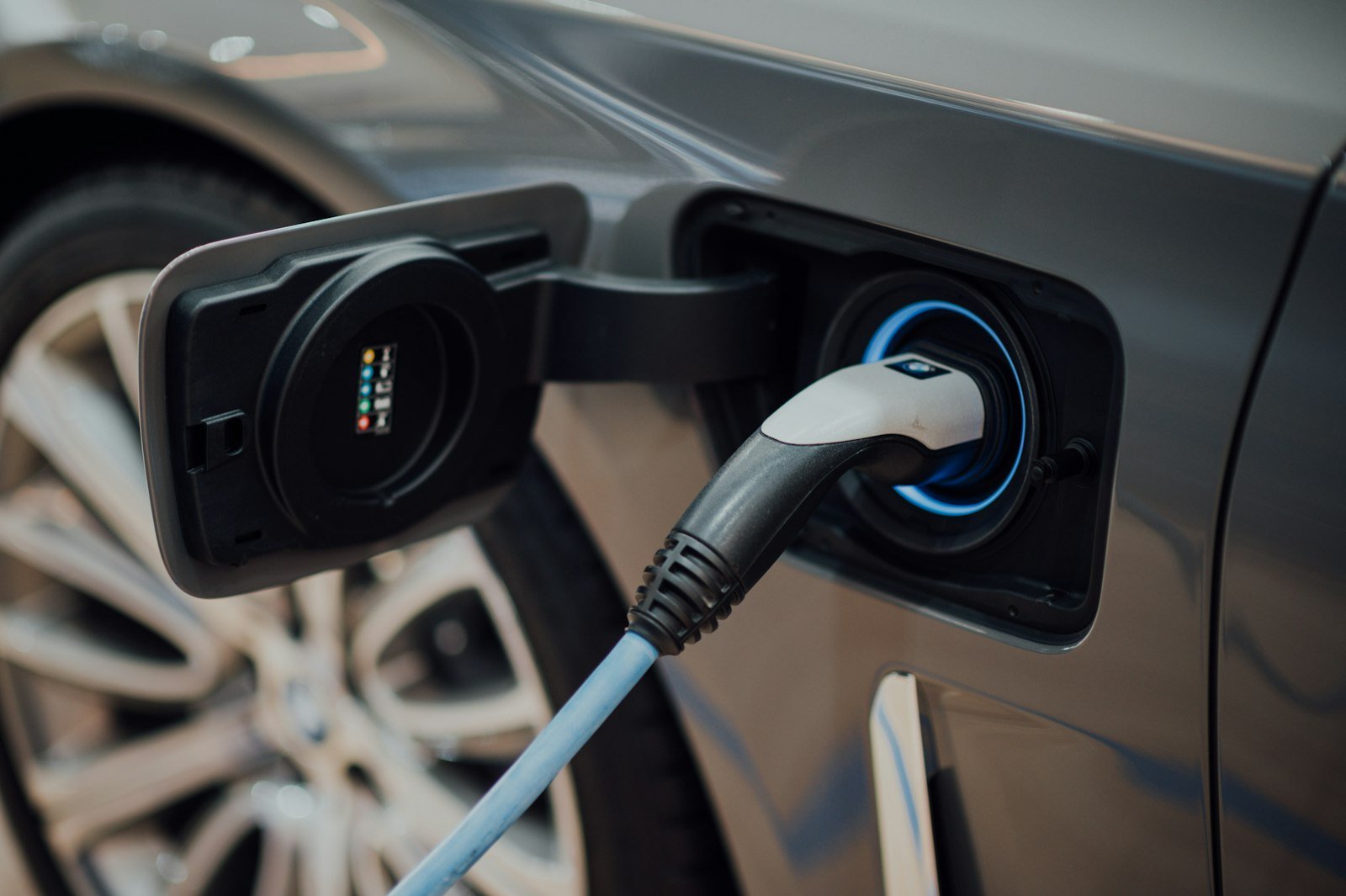
The kilowatt (kW) rating describes the charger’s potential power output under suitable conditions. Australian Government information describes common dedicated AC Level 2 charging equipment in the roughly 7–22kW range.
A 7kW-class AC charger commonly fits a single-phase arrangement, while a 22kW-class unit is generally associated with suitable three-phase supply. Whether either option can be installed depends on the property’s electrical arrangement and applicable connection requirements. It should never be decided on the nameplate alone.
Why a 22kW Charger May Not Charge a Vehicle at 22kW
The vehicle controls how much AC power it can accept through its onboard charging hardware. If a vehicle accepts less than the charger’s available output, installing a more powerful unit does not overcome that vehicle limit.
Charging rates can also be affected by vehicle settings, battery conditions and any limits imposed by the installation. Before paying for higher-rated equipment, check the specifications of the actual vehicles expected to use it.
Parking Time May Matter More than the Headline Rating
An employee who parks for a full shift has a different charging need from a service vehicle that stops for a brief turnaround. In the first situation, a lower-power arrangement may provide enough energy over time. In the second, there may be a stronger case to investigate a different arrangement.
A useful exercise is to list typical daily travel and the hours each vehicle is available for charging. This will not replace technical design, but it helps establish whether higher charging output would solve a genuine business problem.
Site Electrical Capacity Can Change the Decision
EV chargers increase the load on a commercial installation. Western Power advises electrical contractors to ensure charging installations remain within applicable supply and connection capacity. The existing switchboard, site demand and proposed equipment must be considered together.
The presence of three-phase power does not by itself confirm that a 22kW charger is suitable. Nor does a single-phase site automatically mean that a commercial charger is impossible. An electrical review clarifies what can reasonably be proposed. Read about commercial switchboard capacity checks if your business is adding new electrical equipment.
Other Questions Worth Asking Before Buying
Beyond kW, ask about the equipment’s mounting location, cable access, future compatibility, network connectivity and any load-management or user-access functions you actually need. Features differ between models and should be evaluated against the intended use.
If several charging points may be added later, flag this at the beginning. Future capacity and expansion are important design questions, but they do not mean a small business must install a complex system immediately.
What Makes a Sensible Perth Workplace Choice?
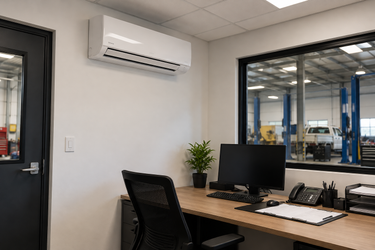
For an Osborne Park office with long staff parking periods, the best option could be very different from a Wangara workshop with vehicles coming and going. The most useful answer comes from the vehicle list, parking schedule and site power assessment.
Ashlar Electrical can discuss commercial workplace EV charger installation in Perth’s northern suburbs and explain the electrical requirements for a suitable site. The installer should confirm available options before any assumptions are made about 22kW capability.
Frequently Asked Questions
Is 22kW always faster than 7kW charging?
Not in practice for every vehicle. Actual AC charging power is limited by the vehicle, installation and available supply.
Do I need three-phase power for a 22kW AC charger?
A 22kW-class AC charger generally requires a suitable three-phase supply and sufficient capacity. The installation must be assessed against the actual site.
Should a small workshop start with 7kW?
There is no universal answer. Vehicle use, charging time, future plans and available electrical capacity should guide the selection.
Related Guides
- Commercial EV Charger Installation Costs in Perth: What Affects Your Quote?
- Does Your Business Need a Switchboard Upgrade Before Installing an EV Charger?
- Workplace EV Charging for Small Businesses: Staff, Visitors or Company Vehicles?
Talk to Ashlar Electrical
Not sure which charging capacity your site can support? Ask Ashlar Electrical about a workplace EV installation and provide your suburb, vehicle types and likely charging schedule. Call 0451 919 686 to discuss a free site-specific quotation.